
Customer success automation is the use of software to track client health, flag risk, and trigger follow-up so service teams can act before a client decides to leave. For agencies and consultancies, it turns scattered signals into a clear daily to-do list. This guide explains how it works, what to automate, and how to start.
Quick answer: Automate the repetitive work, such as data gathering, health scoring, and alerts. Keep the conversations human. Done well, this helps teams catch churn risk weeks earlier.
What Is Customer Success Automation?
Customer success automation connects the tools you already use and applies rules or AI to the data inside them. It watches for signs like missed meetings, late invoices, or fading engagement. Then it tells the right person what to do.
It is not a replacement for account managers. Instead, it removes the manual checking that often keeps teams reactive. For background on the discipline itself, see the overview of customer success on Wikipedia.

A team reviewing client health signals is the core routine behind customer success automation.
Why Service Businesses Need Automated Client Success
In a retainer business, revenue depends on renewals. However, most teams learn a client is unhappy only when the cancellation email arrives. By then, the window to help has closed.
Research from Bain & Company has long suggested that retention is financially powerful, because keeping existing customers usually costs less than winning new ones. Consequently, a small gain in retention can matter more than a large gain in new sales.
Furthermore, small teams rarely have time to review every account weekly. Automation closes that gap by doing the watching for them.
What You Can Automate in Client Retention
Health scoring and alerts
A health score combines signals into one number, such as a 0 to 10 scale. As a result, your team can sort clients by need instead of guessing. Alerts then fire when a score drops.
Onboarding and milestones
The first 30 days shape the whole relationship. Automated milestone tracking shows who is stuck. For a deeper look, read this client onboarding automation guide.
Renewals and expansion
Systems can surface upcoming renewals and clients ready for more work. Therefore, outreach happens on time rather than at the last minute.
| Task | Automate? | Why |
|---|---|---|
| Data collection | Yes | Repetitive and error-prone by hand |
| Risk alerts | Yes | Speed matters |
| Renewal reminders | Yes | Easy to forget |
| Difficult conversations | No | Needs empathy and judgment |
How to Set Up Customer Success Automation
A simple process keeps the project on track. Follow these steps in order.
- Map the client journey. Document each stage from signing to renewal, and note where clients tend to go quiet.
- Connect your data sources. Link your CRM, billing, meeting, and project tools, ideally with read-only access.
- Define health signals. Pick the behaviors that predict churn and weight them into a simple score.
- Build alerts and playbooks. Write a clear action for each risk level and assign an owner.
- Train the team and review. Walk everyone through the routine, then adjust signals monthly.
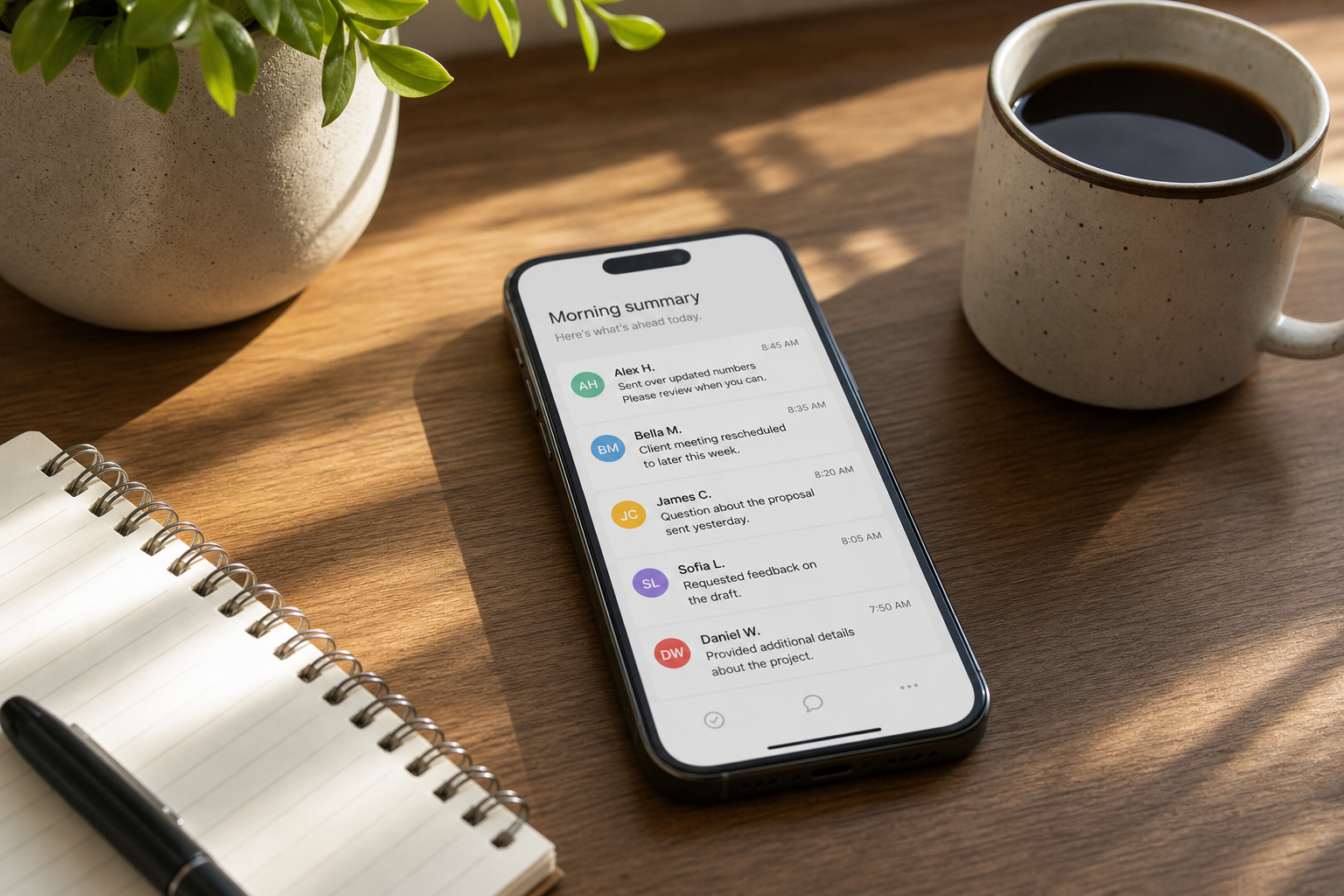
A short daily brief helps teams know who to contact first.
Choosing Customer Success Software and Tools
Look for tools that integrate with your existing stack instead of forcing you to move data. Also check whether setup support is included. Our guides on how to choose customer success software and the buyer's guide for agencies cover this in detail.
One option is clientbloom.ai, a client retention operating system for service businesses. It connects to CRM, billing, meeting, and project tools, scores each relationship daily, and sends a morning brief to Slack, email, text, or Telegram. Installation takes one week and includes an audit, configuration, and team training. It works alongside your CRM rather than replacing it, and it suits established firms with recurring revenue. Founders can also see the solution for founders. To see how AI fits in, read about AI for customer success.
Common Mistakes to Avoid
- Automating before the journey is mapped.
- Tracking too many signals, which hides the important ones.
- Sending generic messages that feel robotic.
- Ignoring alerts because no one owns them.
For measuring results, the Bain & Company research on loyalty is a useful starting point for metrics like retention and Net Promoter Score.
Frequently Asked Questions
What is customer success automation?
Customer success automation uses software to monitor client health, trigger alerts, and run routine follow-up so people can focus on high-value conversations. It supports retention rather than replacing the human relationship.
Does customer success automation replace account managers?
No. It handles tracking and reminders, while people handle judgment, empathy, and negotiation. The best results come from pairing both.
What tasks should I automate first?
Start with data collection, health scoring, and at-risk alerts. These tasks are repetitive and time-sensitive, so automation adds value quickly.
What is a client health score?
A client health score is a single number that summarizes how strong a relationship is, based on signals like engagement, payments, and sentiment. It helps teams prioritize who needs attention.
How long does it take to implement?
Timelines vary by tool and data complexity. Some done-with-you programs, including ClientBloom's, complete installation in about a week.
Which businesses benefit most?
Established service businesses with recurring revenue benefit most, such as agencies, consultancies, and coaching firms. Retention matters most where renewals drive income.
How is it different from a CRM?
A CRM stores contact and deal records. Automation layers on top to read those records, score relationships, and prompt action after the sale.
What are common mistakes?
Common mistakes include automating before mapping the journey, tracking too many signals, and sending impersonal messages. Ignoring alerts is another frequent problem.
Can automation improve onboarding?
Yes. Milestone tracking and reminders keep the first 30 days on schedule, which helps new clients see value early.
How do I measure whether it works?
Track gross revenue retention, churn rate, renewal rate, and time to respond to at-risk clients. Compare these before and after rollout.
Is AI required for customer success automation?
No, rules-based workflows work well for many tasks. AI adds value by summarizing signals and surfacing patterns humans might miss.
How do I keep automated outreach personal?
Automate the trigger and the research, not the relationship. Let a named person send the message, using context the system provides.
Conclusion
Customer success automation gives service businesses an early-warning system for churn, a steadier onboarding routine, and better-timed renewals. Start by mapping the journey, connect your data, define a few strong signals, and assign clear owners. Above all, keep the human conversation at the center, and let automation make sure it happens at the right moment.


