
A customer success CRM is a system that tracks the health, engagement, and renewal status of the clients you already have. For service businesses, it answers one question each morning: which relationships need attention right now? This guide explains what the category does, how it differs from a sales CRM, and how to choose one.
Quick answer: A customer success CRM focuses on retention after the sale. It pulls data from your existing tools, scores client health, and tells your team whom to contact and what to do. It complements your sales CRM rather than replacing it.
What Is a Customer Success CRM?
A customer success CRM manages the post-sale relationship. It records onboarding progress, engagement, sentiment, payments, and renewal dates in one place. As a result, teams spot trouble before a client decides to leave.
The customer success discipline grew out of subscription software. However, the same logic applies to any business that lives on recurring revenue, such as retainer agencies and consultancies.

A team reviewing client health in a customer success CRM.
Customer Success CRM vs. Sales CRM
A sales CRM follows a lead until the deal closes. In contrast, a customer success CRM begins at the close and follows the relationship for years. The two serve different jobs.
| Area | Sales CRM | Customer success CRM |
|---|---|---|
| Main goal | Win new deals | Keep and grow accounts |
| Key signal | Pipeline stage | Relationship health |
| Key metric | Close rate | Retention and renewals |
Core Features to Look For
Health scoring
A health score condenses many signals into one number. It should update often and explain itself. Otherwise, your team will not trust it.
Integrations with your current stack
Your CRM, billing, meetings, projects, and call transcripts all hold signals. Therefore, look for read-only connectors that pull data without disrupting your existing tools.
Action-oriented alerts
An alert without a next step creates noise. The strongest tools pair each flagged client with a reason and a suggested action, ideally in a daily brief.
Renewal and expansion visibility
Retention is not only about avoiding loss. In addition, a good system surfaces upcoming renewals and expansion opportunities so nothing slips.
How to Choose the Right Customer Success Platform
Follow these steps to compare options fairly. For deeper comparisons, see our guide to choosing customer success software and the buyer's guide for agencies.
- Define your retention goal, including your current rate and the revenue at stake.
- List every tool that holds client data and confirm each vendor connects to it.
- Check how health scores are built and how often they refresh.
- Test the daily workflow: who gets alerted, and what do they do next?
- Plan implementation and training before you sign.
Why Implementation Matters More Than Features
Many teams buy a tool and then never configure it. Consequently, scores stay inaccurate and alerts get ignored. Ask who sets up integrations, designs playbooks, and trains your team.
For example, clientbloom.ai is a client retention operating system for established service businesses. It connects to your existing CRM and other tools, scores each relationship on a 0–10 scale, and sends a morning brief by Slack, email, text, or Telegram. Setup is a done-with-you, one-week installation covering audit, configuration, integrations, and team training. You can see how it stacks up on the comparison page.
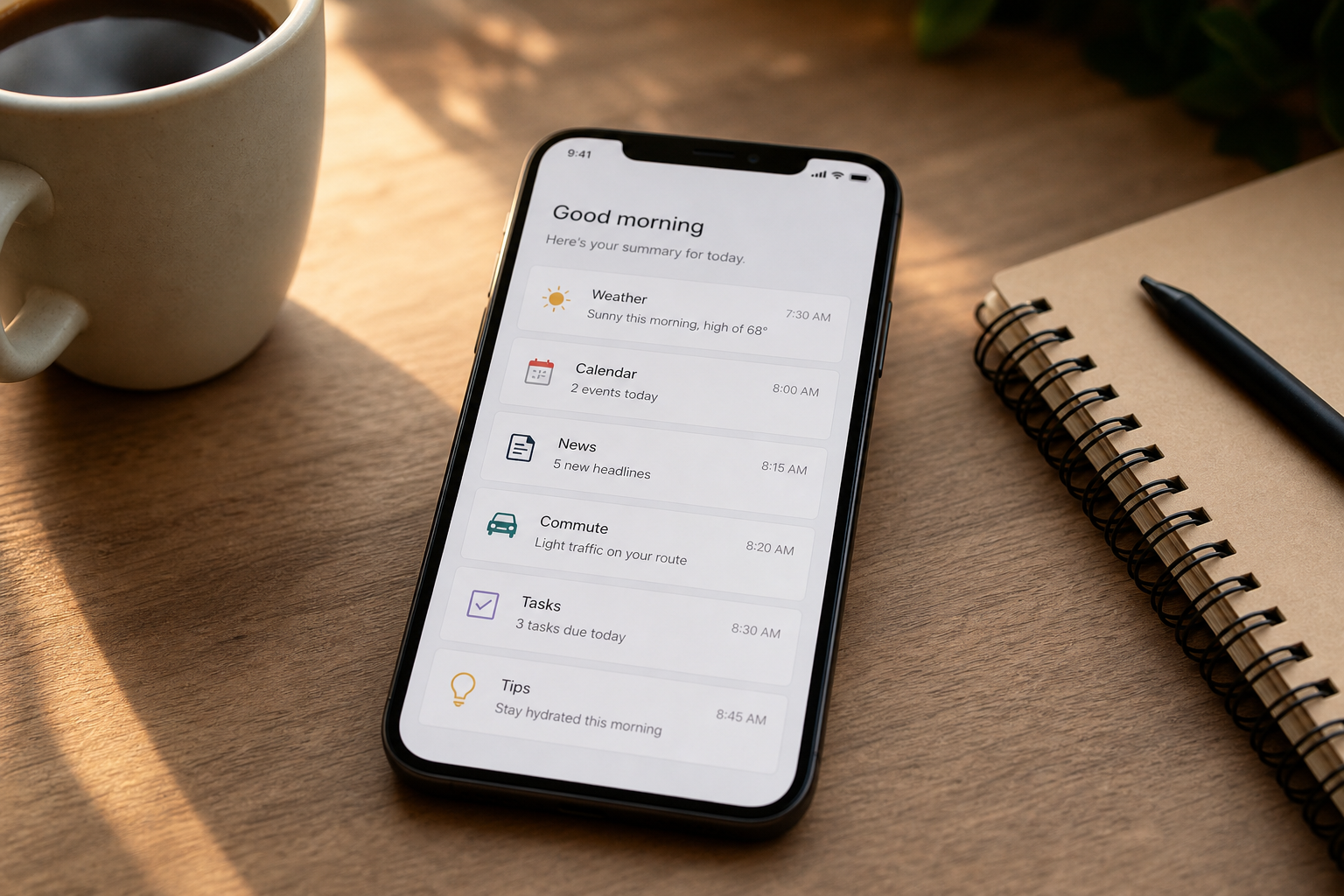
A daily brief turns client data into a short list of actions.
Who Should Invest in One?
The best fit is a business where retention drives recurring revenue and there are enough clients that nobody can track them all by memory. Founders who still manage relationships personally may start with the founder-focused solution. For tactics beyond software, read this guide to reducing client churn.
For background on how the underlying systems work, the customer relationship management overview is a useful primer. Meanwhile, the U.S. Small Business Administration offers general guidance on running and growing a business.
Frequently Asked Questions
What is a customer success CRM?
A customer success CRM is a system that tracks the health, engagement, and renewal status of existing clients. It focuses on keeping and growing accounts rather than winning new ones.
How is it different from a sales CRM?
A sales CRM manages leads and deals up to the close. A customer success CRM starts after the sale and tracks onboarding, relationship health, risk, and renewals.
Do I need to replace my existing CRM?
Usually not. Most retention tools connect to your current CRM, billing, and meeting tools and read data from them. Replacing a CRM adds cost and risk without a clear benefit.
What is a client health score?
A client health score is a number that summarizes how strong a relationship is. It combines signals such as engagement, payments, sentiment, and delivery progress.
Which businesses benefit most from a customer success CRM?
Service businesses with recurring revenue benefit most. Examples include retainer-based agencies, consultancies, coaching businesses, and fractional executives.
What data should a customer success CRM connect to?
It should connect to your CRM, billing system, meeting and call tools, and project management software. More sources produce a more accurate picture of risk.
How long does setup usually take?
Setup varies widely by vendor. Some take months, while done-with-you models such as ClientBloom's one-week installation compress audit, configuration, integrations, and training.
How much does a customer success CRM cost?
Pricing differs by vendor, team size, and services included. Ask for a full quote that covers implementation and training, not only the license.
What are common mistakes when choosing one?
Common mistakes include buying for features nobody uses and skipping integrations. Another is failing to define who acts on alerts.
Can a spreadsheet replace a customer success CRM?
A spreadsheet can work for a handful of clients. It breaks down as accounts grow because it cannot update scores or surface risk automatically.
How do I know a customer success CRM is working?
Look at gross revenue retention, renewal rates, and how early your team spots at-risk accounts. If risks surface sooner and fewer clients leave, it is working.
What should a team do with a daily brief?
Use it to decide whom to contact first and why. The best briefs pair each flagged client with a suggested next action.
Conclusion
A customer success CRM helps service businesses protect the revenue they have already earned. It connects to your current tools, scores client health, and turns data into daily actions. Choose one by matching it to your retention goal, your data sources, and your team's ability to act. Above all, favor a setup process that gets the system working quickly.


